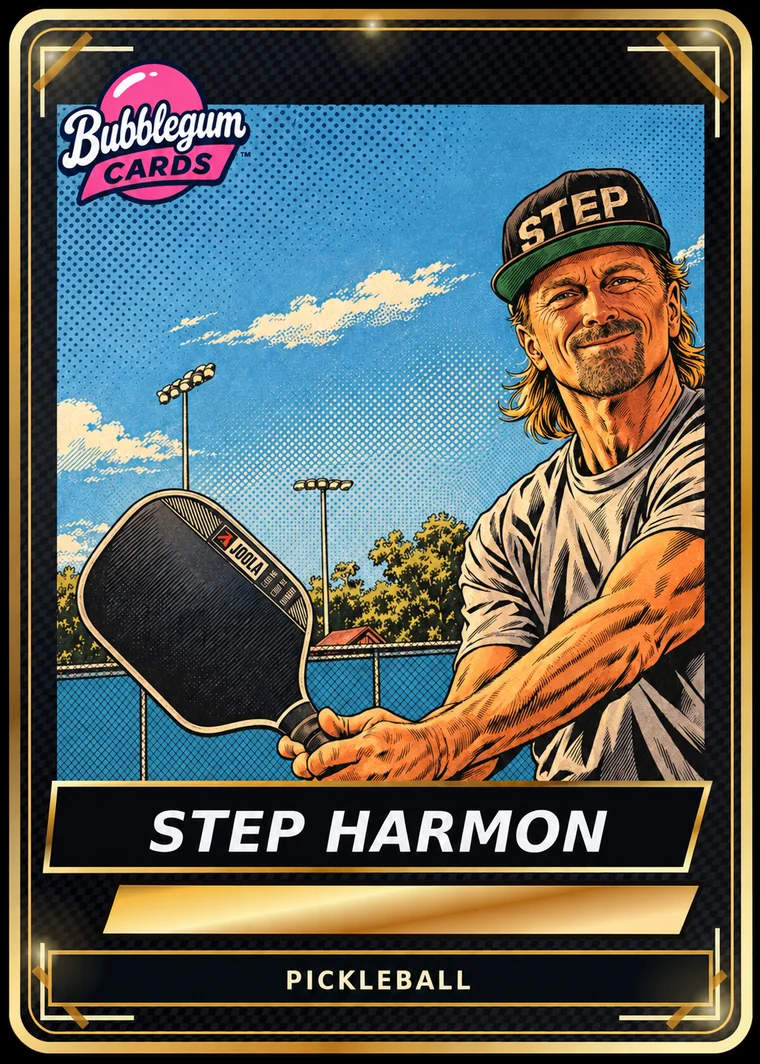
Baseball, skateboarding, soccer: what the pros' first sports teach pickleball
Patriquin played baseball, Shimabukuro skated, Waters played soccer. Here's what each first sport gives a pickleball player, and how to use your own.
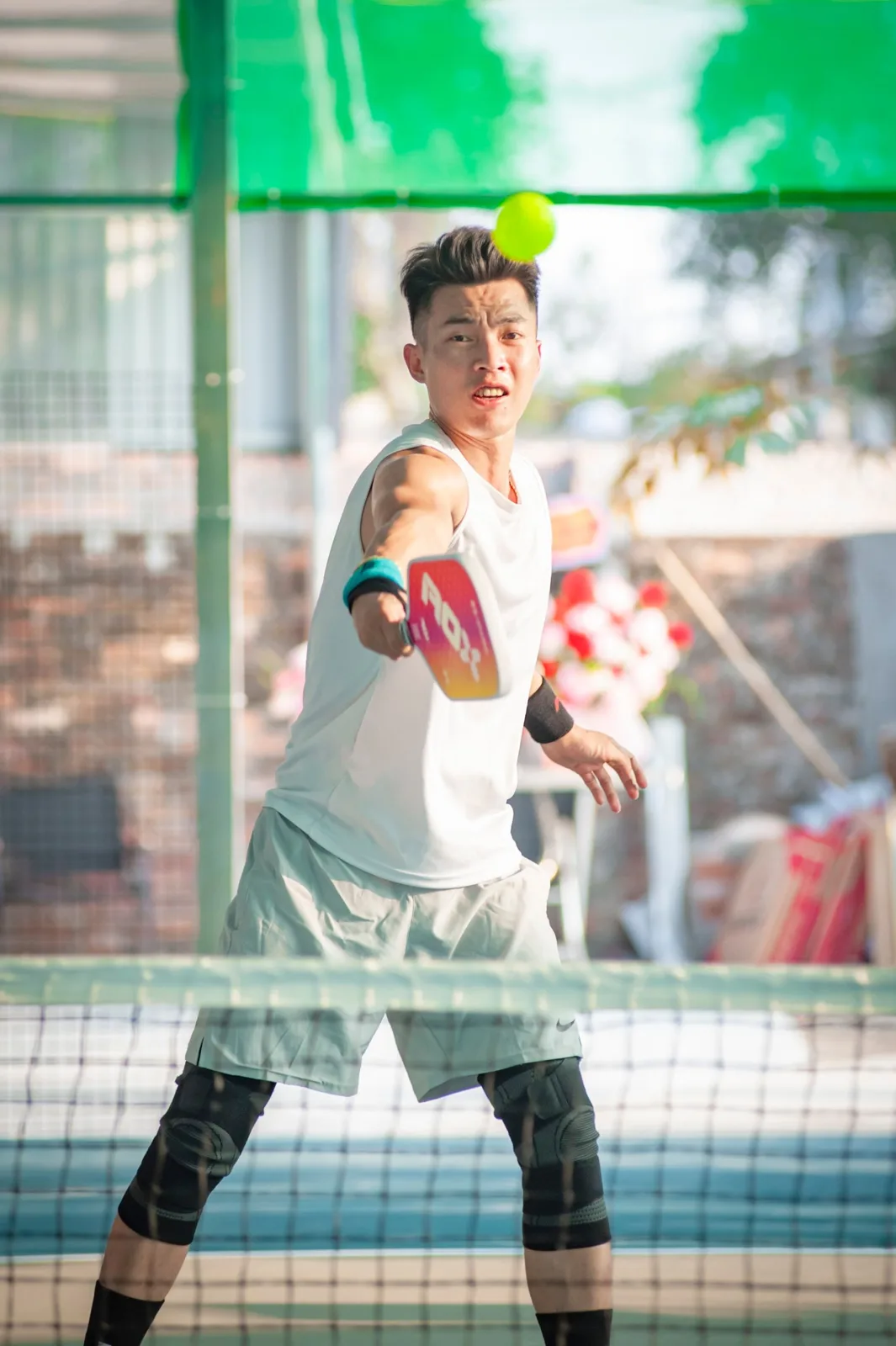
Most pros arrive at pickleball from tennis. Some of the best came from somewhere else entirely: a baseball diamond, a skate park, a soccer field. Every first sport leaves something behind, and most of it carries over to the court. Here's what the pros brought with them, and what yours might give you.
Baseball: soft hands and a first step
Hayden Patriquin is one of the few players on tour with no racquet-sport background, according to his PPA Tour profile, which says he gave up baseball to pursue pickleball. Catherine Parenteau played tennis in college, but before that she pitched and played shortstop on boys' baseball teams in Quebec.
Parenteau has drawn the line herself. "You're trying to absorb the ball with your glove, whereas in pickleball you're trying to absorb it with your paddle," she told Pickleball.com. She also pointed to the lateral movement the two sports share.
What it gives you: tracking a fast ball, soft hands on resets and catch volleys, a quick sideways first step, and a throwing motion that maps onto the overhead.
Skateboarding: balance on the move
Tama Shimabukuro, the 15-year-old who won men's doubles at Worlds on Nov. 8, started skating at 6 and competed in contests around the country with sponsors, Pickleball.com reported. "I would do it every day, couple hours a day," he told Pickleball.com in July.
What it gives you: balance while your weight is shifting, comfort staying low, and the habit of repeating one move hundreds of times until it works.
Soccer: quick feet and reading space
Anna Leigh Waters was still playing both soccer and pickleball in 2020, and was offered a chance to play soccer in Germany before her family called it off because of COVID, according to Pickleball.com. She also took tennis lessons for about four years as a kid, and said on the In Search of Excellence podcast that tennis "gave me the strokes and the shot selection," as Pickleball.com reported. Daniel Jensen went further with soccer: he was a forward at Ohio State and now plays the PPA Tour.
What it gives you: small, fast steps to adjust before contact, the stamina for long points, and an eye for open space.
Tennis: strokes, footwork, doubles sense
The most common route. Kate Fahey left Michigan with the program record for career singles wins, 132, according to Rutgers Athletics. Christian Alshon was an All-American at the University of Chicago. Jack Sock won four Grand Slam doubles titles, one of them in mixed, and Olympic gold, per Fox News. The handsy shots in pickleball feel "pretty similar to tennis, especially in doubles," Sock told The Charlotte Observer.
Alshon offered a caution: "The patterns and strategy in pickleball are not even remotely similar to the way they are in tennis," he told Pickleball.com. The kitchen game is new to every tennis player. But plenty does carry over.
- Lateral movement. Tennis footwork, shuffling side to side and recovering to the middle, works on a pickleball court too.
- Deep returns. A tennis player's instinct to hit returns and groundstrokes deep, to keep opponents back, is exactly what you want on the return of serve.
- Doubles movement. Moving with your partner as a unit, shifting toward the ball and covering the middle, comes straight from doubles tennis.
- Singles. Pickleball singles looks most like tennis: deep forehands and backhands moving your opponent side to side. Federico Staksrud, a former college tennis player, went as far as calling it "mini tennis" in a post reported by The Dink.
What it gives you: clean strokes, footwork, deep returns, doubles teamwork and match toughness. What it doesn't: patience at the kitchen line. Tennis players often have to learn to stop swinging.
Table tennis: a compact backhand
Ben Johns grew up playing both tennis and table tennis. "The addition of table tennis just gave me something a little extra, that I could adapt for a couple shots," he told Tennis.com.
What it gives you: short, quick swings, feel for spin, and a backhand that works close to the body.
Racquetball and wrestling
Daniel De La Rosa was the world's No. 1 racquetball player from 2021 to 2023 and has played MLP for the Brooklyn Aces. "A high-level background in ANY racquet sport can help you tremendously," he told The Dink. Tyson McGuffin wrestled growing up, and told Cronkite News that the "inner toughness" from it "was a perfect formula for the pickleball courts."
What they give you: From racquetball, reaction speed, wrist skill and a feel for hitting low balls hard. That last one helps with the around-the-post shot, or ATP: a ball hit from wide of the court that travels around the net post instead of over the net. ATPs are usually struck low, near the ground, and hard, a lot like a racquetball kill shot. From wrestling: grit when you're down.
Bring your own sport
Whatever you played, start with what it already taught you. Baseball and softball players: trust your soft hands. Soccer players: keep your feet moving. Tennis players: keep the strokes, shorten the swing. Volleyball players: think of the forearm pass, a steady platform that sends the ball where you aim. Then find the one habit you need to unlearn, and work on that first.
This story was produced by the Pickleballer news desk under Pickleballer’s standards. See an error? Tell us.