Lost the first game badly? Reset the next one, don't rebuild
A pro lost a game 11-0 on Thursday and still won the match. Three simple resets for the break between games.
On Thursday at the Proton Daytona Beach Open, Rafael Lenhard lost the first game of his round-of-16 match to Christian Alshon 11-0. He won the next two, 13-11 and 11-6, according to the official bracket. (Our story.)
You will lose a first game badly at some point. In a best-of-three, that is one game, not the match. The minute between games is where you decide which one it is.
Score the next game, not the last one
The problem: after a lopsided game, players carry the score with them. They play the second game trying to win back the points they lost.
Why it happens: a big number on the scoreboard feels like information about the whole match. It isn't. The next game starts at 0-0-2 for everyone.
Steal it: before the first serve of the next game, say the score out loud as you would any other start, then pick one target for your first three rallies, such as "every return deep."
Change one thing, not everything
The problem: when a game goes badly, it's tempting to change your serve, your position and your shot choices all at once.
Why it happens: you want the next game to feel different, fast. But five changes at once mean you can't tell which one helped, and you lose the parts that were working.
Steal it: agree with your partner on one change only. Examples: return deeper, keep the third shot to the middle, or move your partner a step closer to the line. Stick with it for at least four rallies before judging it.
Use the time you're given
The problem: players rush into the next game, or burn their timeouts arguing about what went wrong.
Why it happens: nobody plans what to say. In a game to 11, the USA Pickleball rulebook gives each team two timeouts of up to one minute (rulebook). That's enough time to agree on a plan, if you've decided how to use it.
Steal it: use a three-part routine for any break: one breath, one change, one cue word you'll both repeat, like "middle" or "deep." Then step up and serve.
Make it your own
Not every bad game needs a fix. Sometimes the other team just played well. Your job between games is to choose the one thing you control next, and to start the next game at zero.
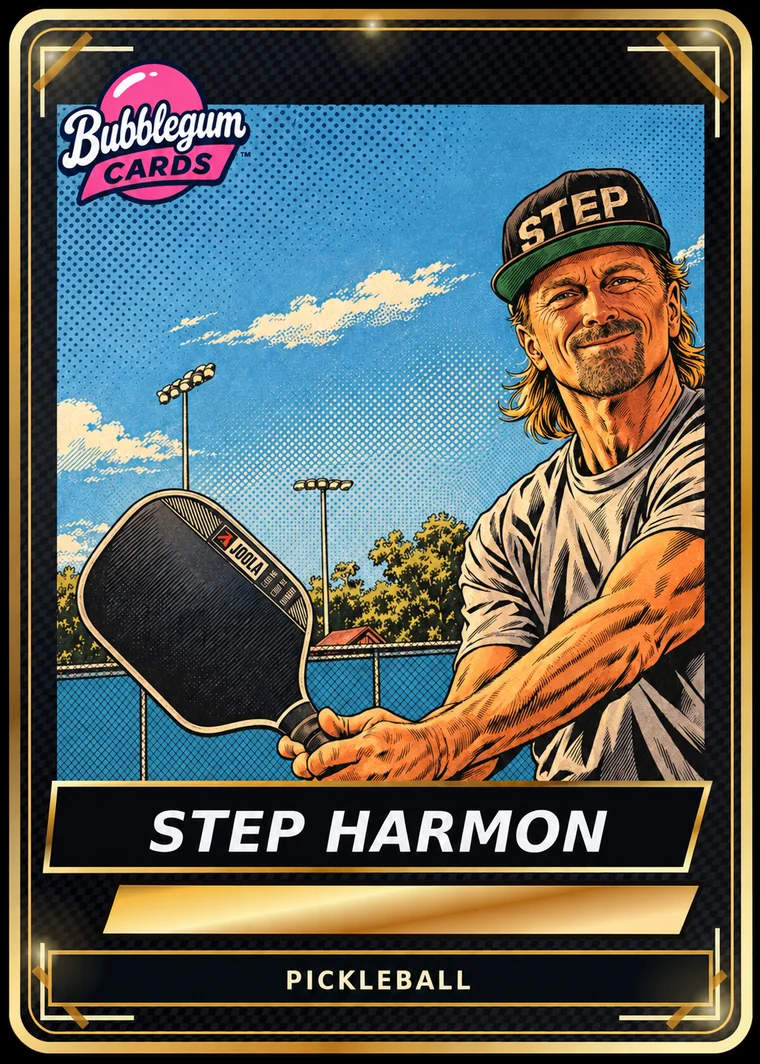
Zero, Zero, Start is Step Harmon's daily column on playing better pickleball. Step is the founder of Pickleballer.world, an advanced player and PIPR-certified trainer.